

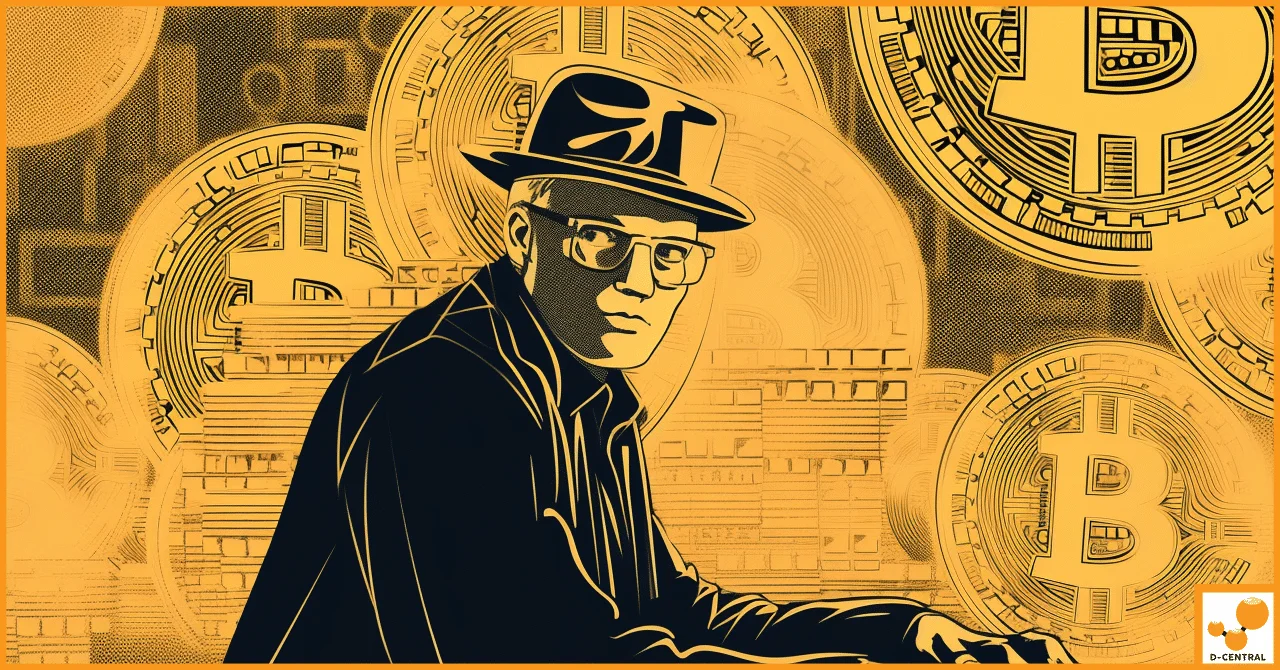
Bitcoin was never supposed to become a cultural icon.
It wasn’t designed by a marketing agency, promoted by celebrities, or launched with a billion-dollar advertising campaign. It emerged quietly in 2009 as open-source software created by the mysterious Satoshi Nakamoto—a response to a world struggling with financial instability and declining trust in centralized institutions.
Yet today, the orange Bitcoin symbol is instantly recognizable across continents. It appears on murals, luxury fashion, gallery walls, street stickers, contemporary paintings, memes, and even museum exhibitions. Like Andy Warhol’s Campbell’s Soup cans or The Rolling Stones’ tongue logo, Bitcoin has transcended its original purpose. It is no longer merely technology. It has become culture.
From Software to Symbol
Throughout history, every generation has developed visual symbols that represented its values.
The peace sign embodied anti-war movements.
The Apple logo became synonymous with digital creativity.
The rainbow flag evolved into a global symbol of identity and inclusion.
Bitcoin has followed a similar path. While its technical architecture remains revolutionary, its visual identity has become something even more powerful—a universal shorthand for decentralization, independence, and financial self-sovereignty.
People who have never owned cryptocurrency still recognize the iconic orange “₿”. Recognition itself is a hallmark of cultural influence.
Pop Art Always Finds New Icons
Pop Art has always transformed everyday objects into cultural statements.
Andy Warhol elevated consumer products into fine art.
Roy Lichtenstein immortalized comic books.
Keith Haring turned subway graffiti into global visual language.
The digital age demanded its own symbols.
Instead of soup cans, today’s artists reinterpret QR codes, blockchain explorers, wallets, NFTs, and Bitcoin itself. The visual vocabulary has changed, but the artistic process remains remarkably familiar: taking ordinary objects and revealing their extraordinary cultural significance.
Bitcoin is perhaps the most influential object ever created that exists almost entirely as an idea.
No physical form is necessary.
Its value lies in collective belief.
That alone makes it irresistible material for contemporary art.
The Birth of CRYPTOPOP
CRYPTOPOP is more than an aesthetic.
It represents a new artistic movement emerging from the intersection of blockchain technology, internet culture, digital ownership, and contemporary visual expression.
Unlike traditional Pop Art, which reflected mass consumerism, CRYPTOPOP explores decentralized culture.
Its recurring themes include:
- digital identity;
- financial freedom;
- algorithmic trust;
- internet mythology;
- meme culture;
- decentralized communities;
- digital scarcity.
In this context, Bitcoin becomes more than a financial asset.
It becomes a visual archetype.
The Internet Created a New Kind of Celebrity
Classical Pop Art celebrated movie stars, musicians, and political figures.
CRYPTOPOP often celebrates ideas instead of individuals.
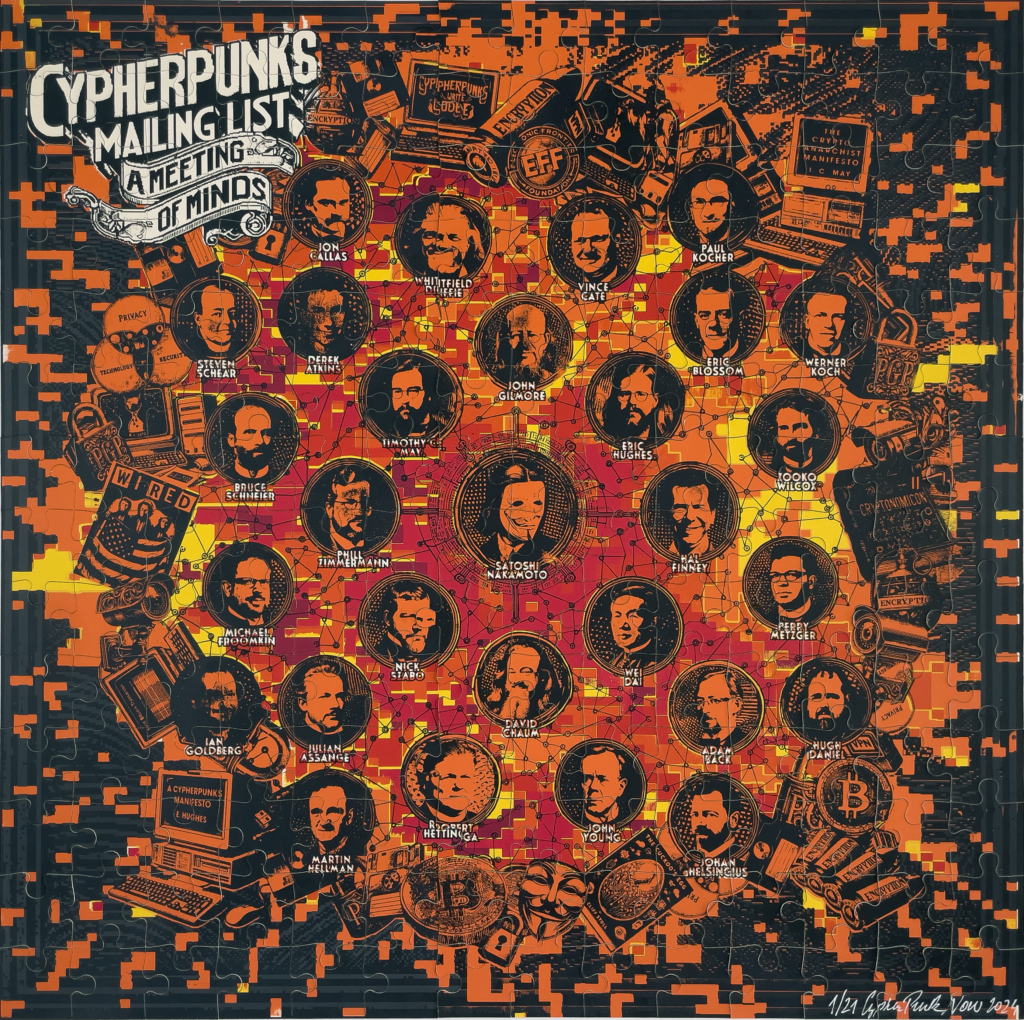
The anonymous creator Satoshi Nakamoto has become one of the most recognizable invisible figures in modern history. His absence only strengthens the mythology.
The Bitcoin logo functions almost like a portrait.
It represents a philosophy rather than a person.
This transformation reflects a broader cultural shift. Digital societies increasingly rally around protocols, open-source movements, and decentralized communities instead of traditional institutions.
Why Artists Are Drawn to Bitcoin
Artists have always documented periods of profound transformation.
The Renaissance reflected scientific discovery.
Modernism captured industrialization.
Pop Art interpreted consumer capitalism.
Today, blockchain represents another historical turning point.
Bitcoin offers artists an unusually rich visual language because it combines contradiction:
- invisible yet instantly recognizable;
- mathematical yet emotional;
- decentralized yet globally connected;
- technological yet deeply human.
Every painting inspired by Bitcoin is simultaneously a reflection on economics, philosophy, technology, and identity.
Beyond Investment
Many discussions about Bitcoin begin and end with price charts.
Culture tells a different story.
The most enduring inventions are rarely remembered solely for their technical achievements.
The printing press transformed civilization not because of its machinery, but because it changed access to knowledge.
The internet reshaped humanity not because of cables, but because it redefined communication.
Bitcoin’s lasting legacy may similarly extend beyond finance.
Its greatest contribution could be the cultural imagination it unlocked—a world where ownership becomes digital, trust becomes programmable, and creativity exists across both physical and virtual realities.
Art as the Bridge Between Worlds
CRYPTOPOP explores this transformation through visual storytelling.
A contemporary painting can merge familiar Pop Art aesthetics with blockchain symbolism, inviting viewers to reconsider the relationship between technology and human expression.
Bright colors meet cryptographic codes.
Classical composition meets decentralized philosophy.
Canvas meets blockchain.
The artwork becomes both object and idea.
This fusion reflects the defining characteristic of our era: the boundaries between physical and digital experience are dissolving.
Conclusion
Bitcoin began as code.
It evolved into money.
It became a movement.
Today, it is also a cultural icon.
The CRYPTOPOP era is not defined by speculation but by symbolism. It recognizes that technology inevitably shapes visual culture, just as visual culture shapes how societies understand technological change.
In the twenty-first century, the Bitcoin symbol has become more than an emblem of cryptocurrency.
It has become one of the defining artistic symbols of a generation navigating the transition from the industrial world to the decentralized digital age.