

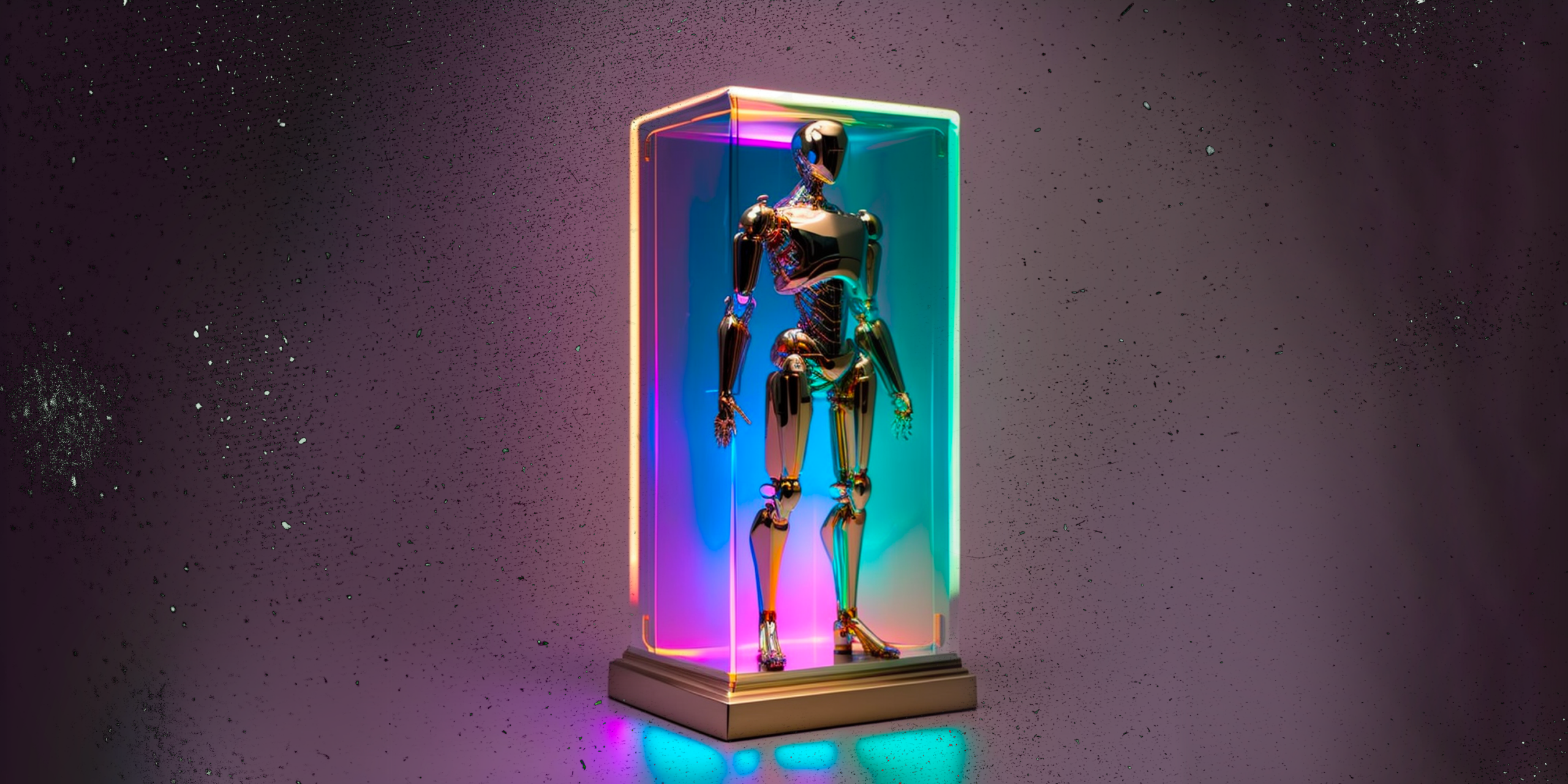
A New Chapter in the Evolution of Art
Throughout history, art has continuously evolved alongside civilization. From cave paintings to Renaissance masterpieces, from photography to digital illustration, every technological breakthrough has expanded the artist’s creative vocabulary rather than replacing what came before. Today, we are witnessing another profound transformation. The emergence of blockchain technology has not diminished the importance of physical artworks, nor has it elevated digital creations above traditional media. Instead, it has introduced a new paradigm in which both dimensions can coexist, complement one another, and tell a richer story together. This convergence has given rise to what is increasingly known as phygital art—a practice that unites the tactile authenticity of physical creation with the permanence, transparency, and global accessibility of blockchain.
Far from being a passing trend, phygital art reflects the way modern society experiences reality itself. Our lives are no longer divided into strictly physical and digital spheres. We communicate, work, collect, and express ourselves seamlessly across both environments. It is only natural that contemporary art follows the same trajectory, creating works that live simultaneously on canvas and within decentralized digital networks.
Beyond the Canvas: Expanding the Meaning of an Artwork
For centuries, a painting has been understood as a singular object whose value resided in its material presence. The texture of the brushstrokes, the depth of the pigments, the imperfections of the surface, and even the aging of the canvas contributed to its identity. While these qualities remain irreplaceable, today’s artists have the opportunity to extend the life of their work beyond the physical object itself.
A phygital artwork is not simply a painting accompanied by a digital certificate. Rather, it is conceived as a unified artistic experience in which the physical and digital elements enhance one another. The canvas offers emotion, texture, and human craftsmanship, while its blockchain counterpart preserves provenance, authenticity, and an immutable historical record. Together, they create a narrative that cannot exist fully in either world alone.
This dual existence fundamentally changes the relationship between artwork and audience. Collectors no longer acquire only an object; they become custodians of a story that unfolds across multiple dimensions.
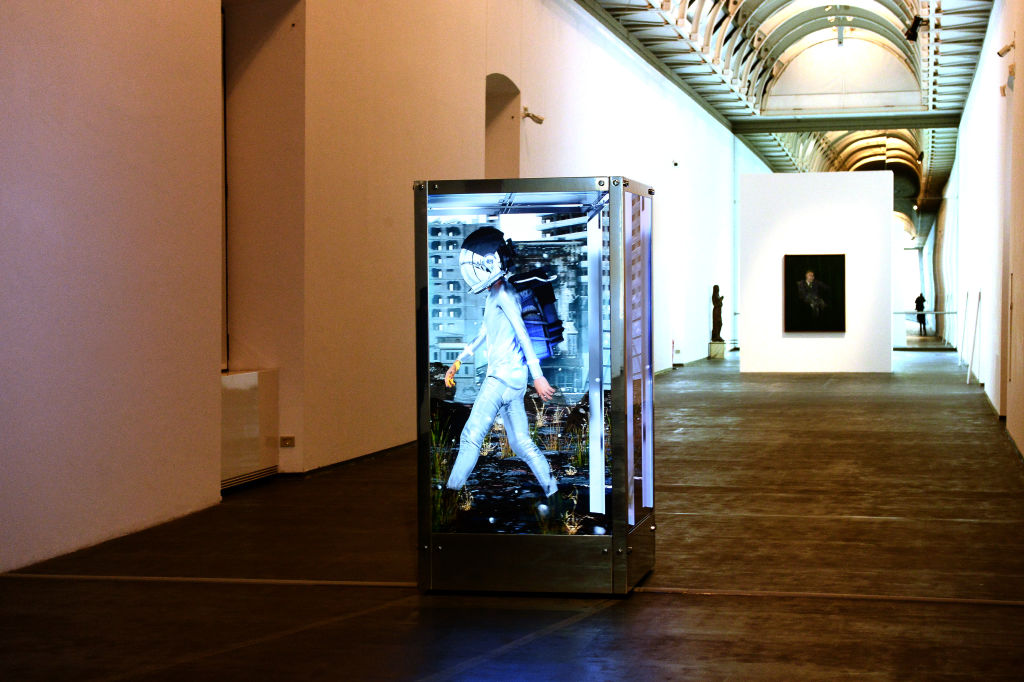
Authenticity in the Age of Infinite Reproduction
One of the defining challenges of digital culture has always been authenticity. The internet enabled the effortless distribution of creative works, but it also blurred the distinction between the original and its countless copies. Every image could be replicated endlessly, making ownership increasingly abstract.
Blockchain has introduced a solution that is as elegant as it is revolutionary. Instead of attempting to prevent copying, it establishes a transparent and permanent record of origin. The artwork’s identity is no longer dependent on the impossibility of duplication but on verifiable provenance.
When this principle is combined with a physical painting, the result is remarkably powerful. The collector possesses not only the tangible artwork but also its immutable digital identity, creating a relationship between object and record that reinforces both. The physical piece embodies craftsmanship and emotional presence, while the blockchain safeguards its history for generations to come.
The Artist as Builder of Two Realities
Creating phygital art requires a fundamentally different mindset from traditional artistic practice. The artist is no longer working exclusively with pigment, composition, and material form. Every creative decision must also consider how the artwork will exist within digital ecosystems, how it will be documented, collected, and interpreted in virtual spaces.
This does not diminish the importance of craftsmanship; quite the opposite. The physical artwork becomes the emotional anchor of the entire project, while its digital extension amplifies its reach and longevity. Rather than competing with one another, the two realities operate as complementary layers of the same artistic vision.
For contemporary artists, this approach opens possibilities that previous generations could scarcely imagine. A painting displayed in a private collection can simultaneously participate in international digital exhibitions, become part of decentralized archives, and remain permanently connected to its creator through blockchain technology.
Collecting Becomes Participation
Traditional collecting has often emphasized possession. A painting was acquired, displayed, insured, and preserved within a private or institutional collection. Phygital art transforms this relationship into something more dynamic.
Collectors become participants in an evolving ecosystem where ownership extends beyond the object itself. The blockchain record documents every stage of an artwork’s journey, preserving its provenance while connecting artists, collectors, exhibitions, and future generations through a transparent chain of history.
This creates a deeper emotional connection between creator and collector. Rather than ending when the artwork changes hands, the relationship continues through a shared digital narrative that remains permanently accessible. Ownership becomes an ongoing dialogue instead of a final transaction.
Why Physical Art Matters More Than Ever
Ironically, the rise of digital culture has made physical craftsmanship even more meaningful. In a world dominated by screens, algorithms, and endless streams of content, the experience of standing before an original painting possesses an almost meditative quality. The texture of the canvas, the subtle variations of paint, and the evidence of the artist’s hand remind us that creativity remains deeply human.
Phygital art does not seek to replace this experience with technology. Instead, it protects and amplifies it. Blockchain does not compete with the physical object; it ensures that its authenticity, provenance, and cultural significance remain transparent in an increasingly digital society.
The physical painting remains the emotional heart of the artwork, while its digital identity becomes its memory.
A Manifesto for Contemporary Creativity
For many contemporary artists, phygital practice represents more than a technical innovation—it is a creative philosophy. It acknowledges that culture no longer exists exclusively in galleries or exclusively online. Instead, artistic expression flows continuously between both spaces, reaching audiences wherever they engage with creativity.
This philosophy rejects the outdated notion that artists must choose between traditional craftsmanship and technological innovation. The most compelling works of the twenty-first century will likely embrace both. They will celebrate the tactile beauty of physical materials while recognizing that digital infrastructure has become an integral part of cultural preservation and global communication.
In this sense, phygital art is not about combining two formats. It is about recognizing that modern creativity naturally inhabits two realities simultaneously.
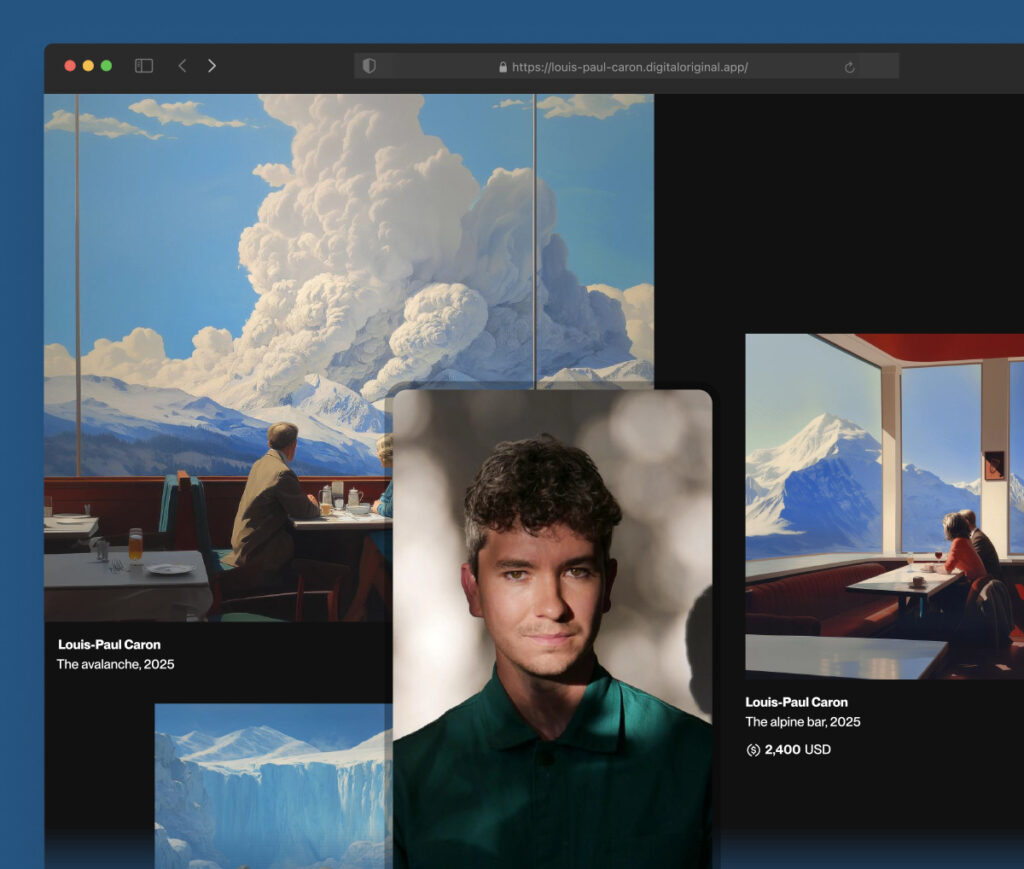
The Future Is Not Either-Or
As blockchain technology continues to mature, the distinction between physical and digital ownership will become increasingly fluid. Future collectors may consider it entirely natural that every significant artwork possesses both a tangible presence and a verifiable digital identity. Museums may curate exhibitions that exist simultaneously within architectural spaces and decentralized virtual environments. Artists may design works from the very beginning with both dimensions in mind, treating blockchain not as an addition but as an essential component of the creative process.
This future does not diminish the value of traditional art. Instead, it extends its possibilities. The canvas remains irreplaceable because it carries emotion, texture, and physical presence. Blockchain contributes permanence, transparency, and global accessibility. Together, they create an artistic language uniquely suited to the realities of the twenty-first century.
Conclusion
Phygital art is not the meeting point between two competing worlds but the recognition that those worlds have already become inseparable. The physical artwork provides humanity, craftsmanship, and emotional depth, while the digital layer ensures authenticity, continuity, and universal accessibility. Neither is complete without the other, and together they redefine what it means to create, collect, and preserve art in a decentralized age.
The future of art will not be exclusively physical, nor exclusively digital. It will belong to creators who understand that the most meaningful works are those capable of existing across both realities, transforming every painting into an experience that transcends the limits of canvas, screen, geography, and time.